
Silence at 35,000 Feet: Endurance Earbuds for Endless Journeys

Taming the Cabin Roar

How ANC Works in Turbulent Skies

Wind, Engine Drones, and Human Chatter

Hearing Health on Long Itineraries
Power That Outlasts Layovers
Battery Chemistry and Real Flight Times
Manufacturers quote ideal numbers, yet cabin temperatures, ANC strength, codec choice, and call usage shift outcomes. Track your own averages across routes, measuring case capacity and earbud endurance from gate to gate, then adjust settings so Tokyo connections and surprise delays do not silence your soundtrack.
Smart Charging Habits Between Gates
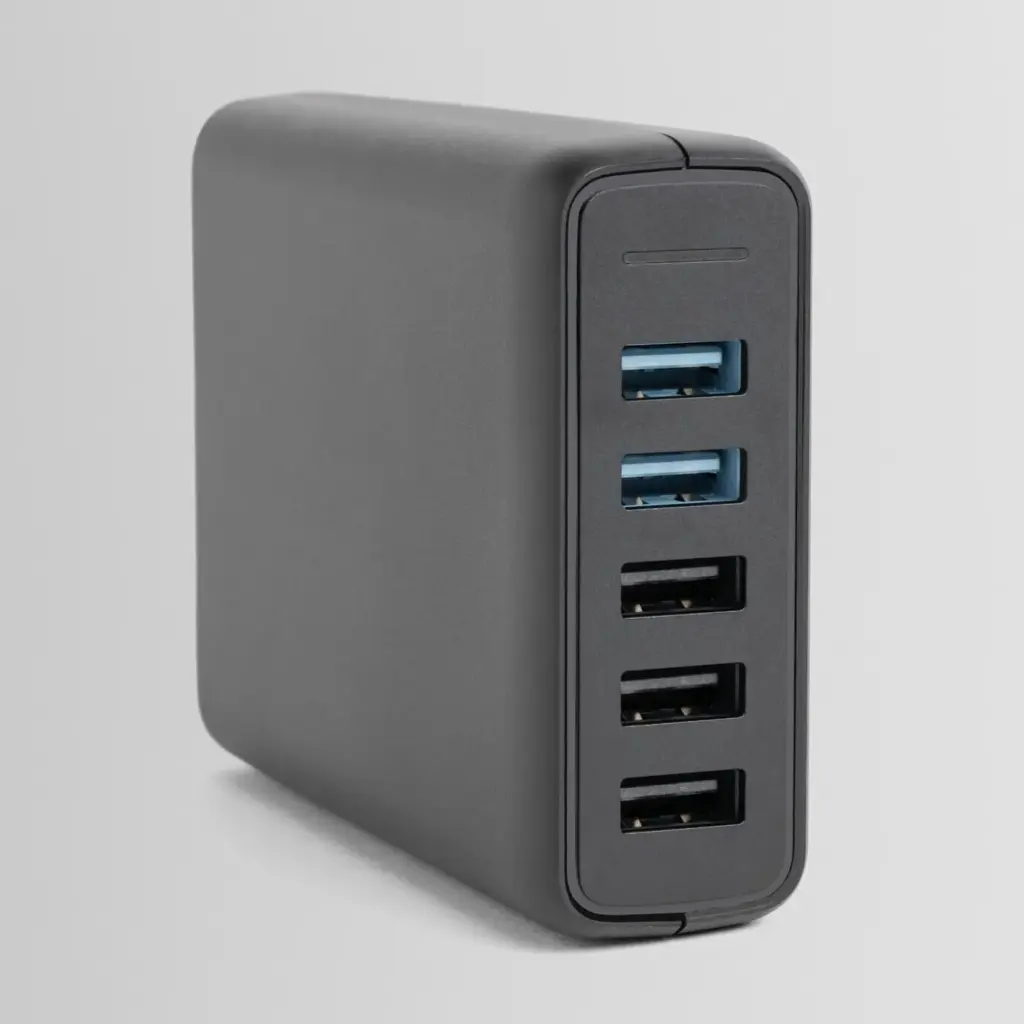
Use short, strategic charges when your boarding group lingers, avoiding full cycles that stress cells. Carry a compact USB-C cable, check airline outlet availability, and prioritize case replenishment first, since those reserves rescue late segments if seats lack power or turbulence keeps you buckled longer than expected.
Emergency Strategies When Outlets Are Scarce
Activate low-power modes, disable high-rate codecs, and temporarily switch to one-ear listening to stretch minutes into meaningful time. Ask flight crew about galley outlets politely, keep a slim power bank handy, and download offline content so occasional silence becomes restful rather than frustrating during unavoidable recharges. Share your favorite endurance tricks with the community so fellow travelers can adapt confidently when power plans unravel.
Comfort for Marathon Travel
Fit Kits, Custom Tips, and Seal Testing
Managing Pressure Changes During Ascent and Descent
Keeping Ears Happy for Work, Movies, and Naps
Connections That Move as Fast as You Do
Multipoint Mastery Across Laptop, Phone, and Tablet
Enable dual or triple connections, then set priority rules so your boarding call never interrupts a presentation. Practice quick toggles in companion apps, and label devices clearly. During security checks, airplane mode transitions faster when your earbuds remember profiles and reconnect with minimal fuss upon arrival.
Choosing Codecs for Stability at the Gate and In-Flight
AAC offers broad compatibility, while aptX Adaptive and LC3 prioritize efficiency and resilience in congested spaces. Test options at home before departure, confirm both devices support your choice, and favor stability over marginal fidelity when dozens of hotspots, scanners, and passengers’ phones crowd the boarding area.