Pocket Gear That Goes the Distance
What Survives Twelve Hours and Two Layovers
Battery endurance that doesn’t fade after boarding
Claimed milliamp‑hours mean little if regulators throttle output or standby drains silently overnight. We test real consumption across standby, mixed use, and continuous draw, then combine results with airplane USB quirks and seat power limits. The goal is simple: know what still works when beverage carts roll by and you’re barely awake.
Comfort that holds up past the third movie
Earbuds should disappear, not demand readjustments every half hour. We weigh clamp force, ear tip stability, pressure relief, and ANC fatigue against engine droning frequencies. After several films and naps, hotspots, hiss, and occlusion effects reveal themselves. Long‑haul comfort is cumulative, and minor annoyances become major when the cabin lights dim.
Power Without the Bulk
Silence, Sound, and Screen Time
Noise cancellation that targets droning engines, not voices
Great ANC handles persistent low hum while avoiding pressure headaches. We compare adaptive profiles, ear tip seals, and wind resistance near drafty windows. After hours, artifacts and hiss become obvious. Controls should be glove‑friendly and reliable, with quick toggles for crew announcements, so you hear what matters without breaking the relaxation bubble.
Latency matters when the seatback screen is your source
Streaming via a Bluetooth transmitter only works if audio sync feels natural. We test codec support, pairing stability, and multipoint confusion during gate changes. A slight delay grows intolerable during dialogue‑heavy films. We track reconnection behavior after power cycles so your attention stays on the story, not troubleshooting mid‑flight menus.
Reading without eye strain at 35,000 feet
E‑readers and compact tablets shine when cabin lights dim. We look beyond resolution to uniformity, warm‑tone adjustments, and page turn latency. Grippy cases and thoughtfully placed buttons prevent accidental swipes. Offline dictionaries, long battery life, and quick wake make finishing chapters possible without juggling chargers or sacrificing precious overhead bin space.
eSIM swaps and keeping your home number reachable
Taming hotel Wi‑Fi with a pocket router and good habits
Typing on something smaller than a baguette, yet satisfying

Capturing ideas fast, before jet lag edits them
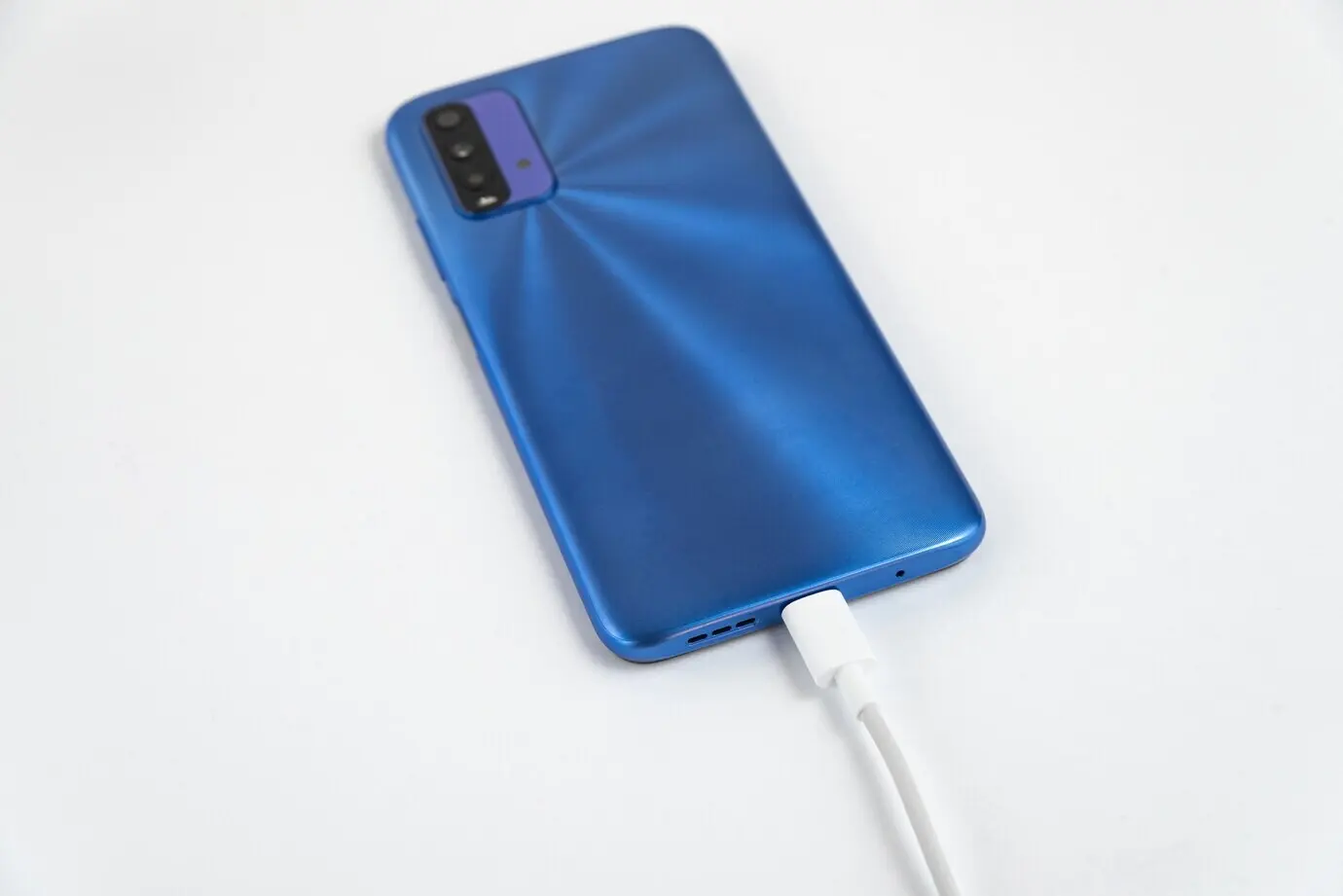
Keeping tabs on bags without being a nuisance
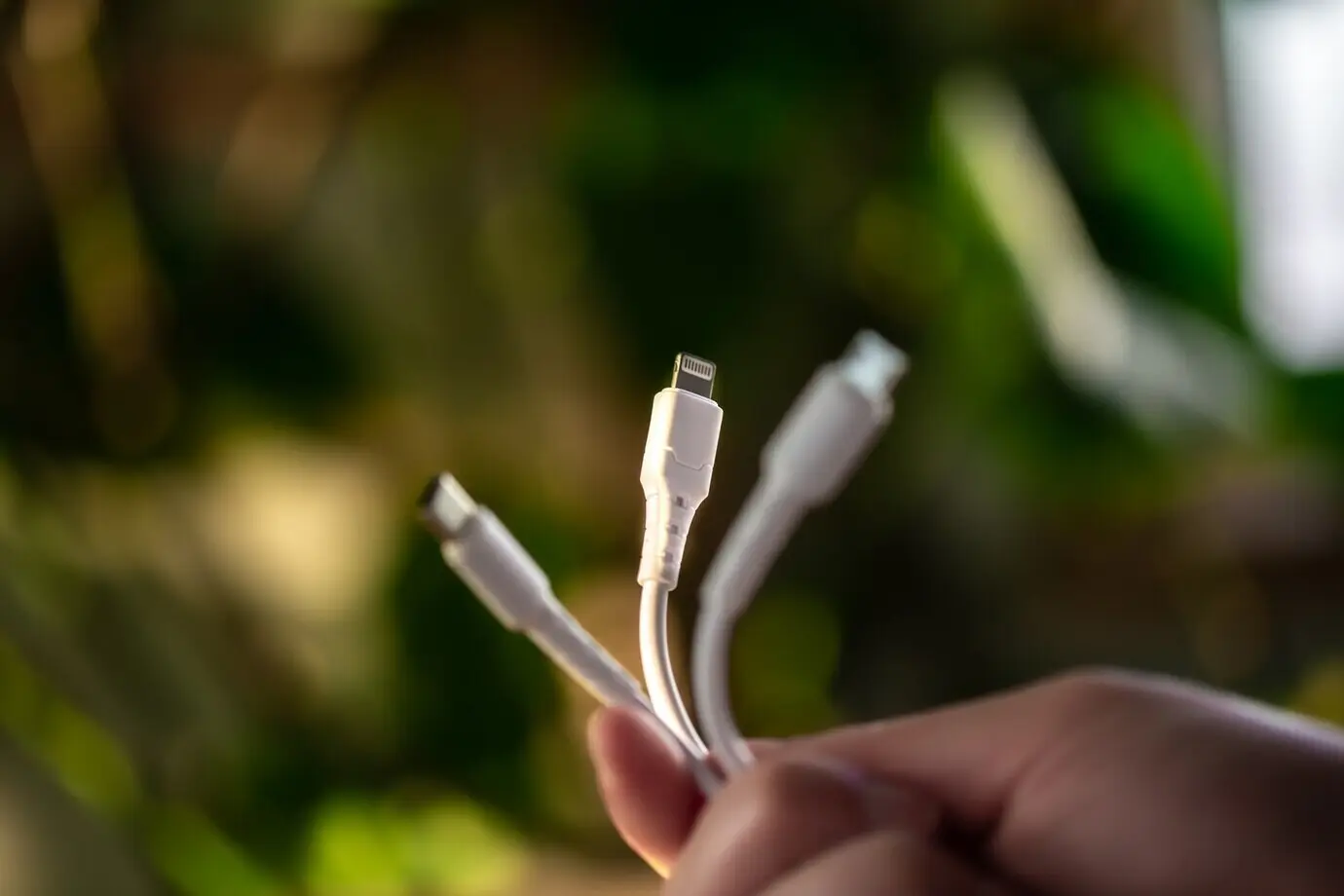
Protecting data if a device disappears mid-journey