
Always Connected, Wherever You Land
Set off with confidence as we explore travel hotspots and eSIM devices for seamless connectivity abroad. Learn how to choose, set up, and secure your connection, balance costs, and keep work, maps, and messages flowing across borders, airports, sleeper trains, and cafes worldwide.

How Portable Hotspots Compare to eSIM on the Road
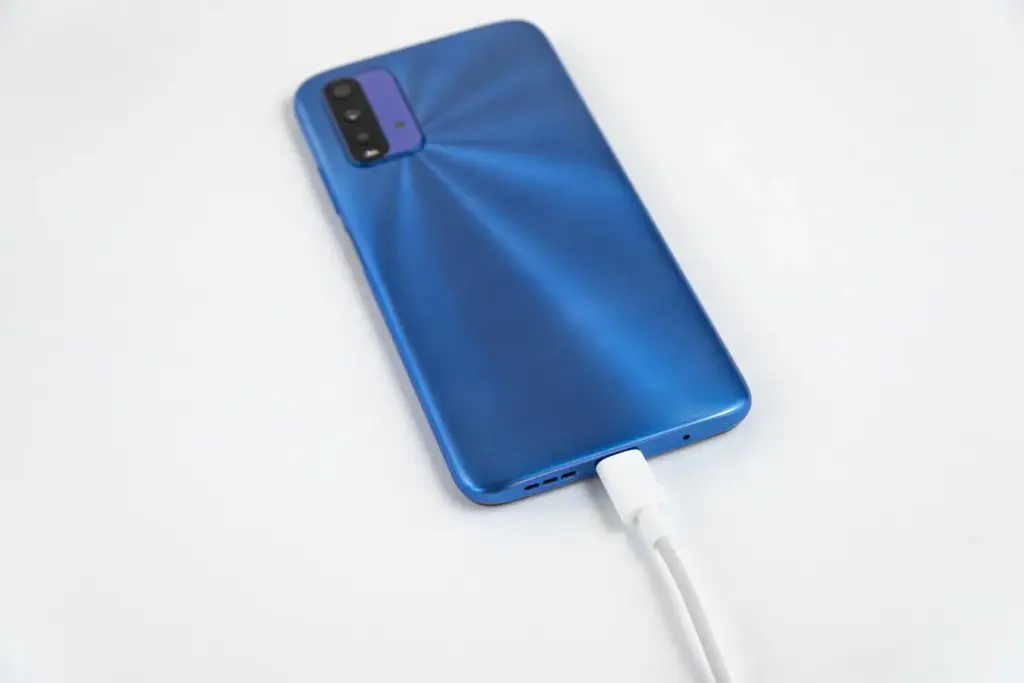
Understand trade‑offs between pocket routers and embedded digital SIMs when crossing regions with different bands and carriers. We weigh reliability, flexibility, and device limits, and show when combining both creates resilient connectivity that survives congested networks, surprise outages, or last‑minute itinerary changes in unfamiliar cities.

Coverage and Reliability Across Regions
Roaming agreements, supported frequency bands, and antenna quality decide whether your signal holds on trains, ferries, and remote highways. Learn to read provider maps skeptically, compare LTE and 5G bands, and plan fallbacks so business calls and navigation continue when towers thin out unexpectedly.

Costs, Roaming, and Hidden Fees
Daily roaming caps, fair‑use clauses, and tethering surcharges can quietly inflate budgets. We outline tricks like data‑only eSIMs, local top‑ups, and hotspot pooling to stretch gigabytes, avoid bill shock, and keep collaboration tools responsive during long layovers or week‑long conferences.

Speed, Tethering Limits, and Device Caps
Hotels may throttle, carriers sometimes block hotspot use, and cafés share bandwidth among dozens of laptops. Learn to detect soft caps, switch APNs, and prioritize critical devices, ensuring video calls, backups, and map updates finish even when networks wobble during peak travel hours.
Getting Started: Setup That Works Before You Board
Preparation beats improvisation. Verify your phone’s carrier unlock status, supported bands, and dual‑SIM capability; download offline maps; update firmware; and pre‑order eSIM QR codes. We share a packing list, activation timelines, and sanity‑saving steps that prevent stressful airport scrambles and first‑day connectivity surprises.
Security First: Protect Data on Public Networks
Airport Wi‑Fi can inject ads, cafés may run open networks, and malicious hotspots mimic airline names. Using personal hotspots or secure eSIM data reduces exposure. Add VPN, encrypted DNS, and screen‑lock hygiene to keep passwords, files, and calls private across borders.
VPN, DNS over HTTPS, and Safer Browsing Habits
Choose a trustworthy VPN with audited no‑logs claims, enable kill switches, and prefer WireGuard for speed. Pair with DNS over HTTPS and cautious link‑checking. These practices blunt captive portal risks and ensure route maps, payments, and chat apps work without leaking sensitive details.
Hotspot Settings that Harden Your Connection
Turn off UPnP, restrict management to the local interface, and keep firmware updated before crossing time zones. Hide SSID only when necessary, rotate passwords, and limit administrative access, so an opportunistic attacker cannot reconfigure or spy on your traveling network.

Real‑World Battery Strategies for Long Travel Days
Set hotspots to lower transmit power when nearby, dim screens, and carry a compact 10,000 mAh battery with pass‑through charging. Rotate devices at rest stops, and disable background updates, ensuring your navigation and calls continue during delayed trains and surprise detours.

Charging Standards and Cables You Should Pack
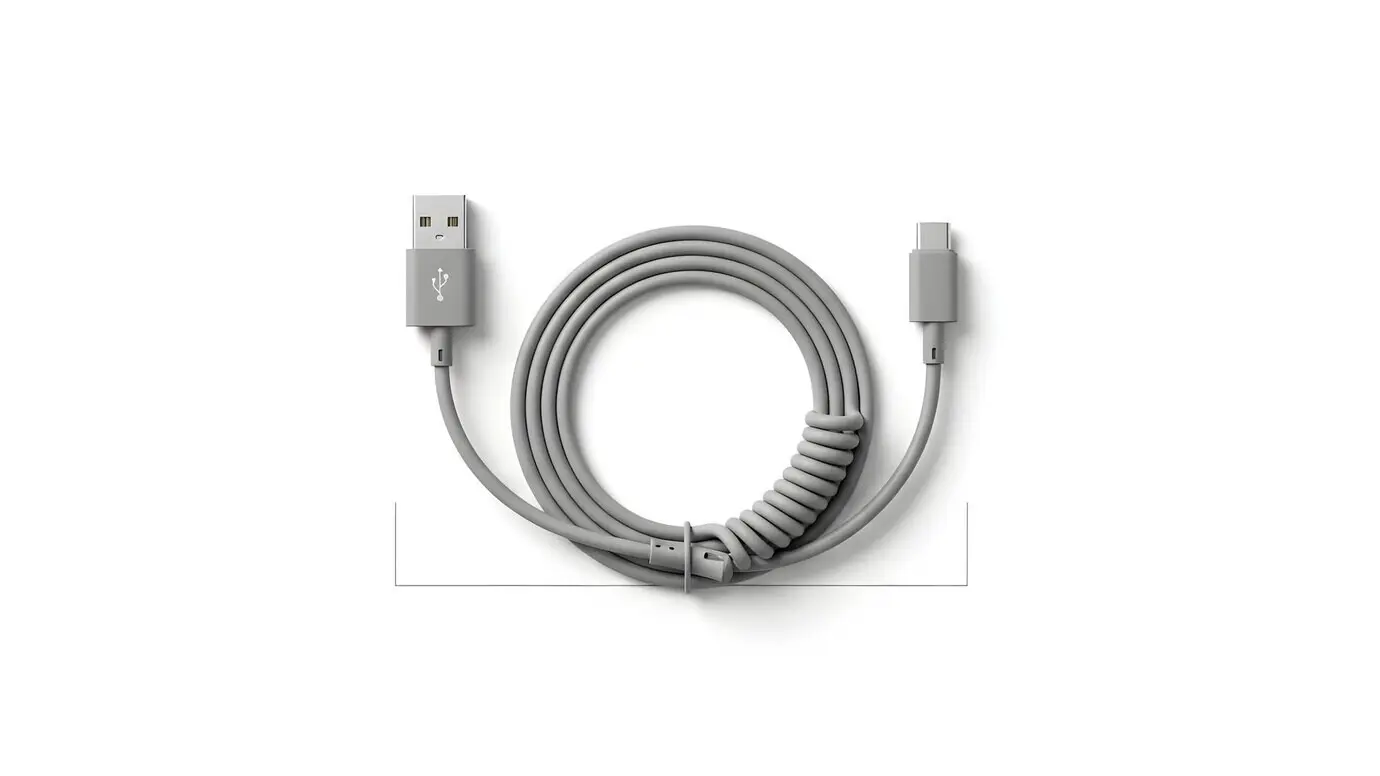
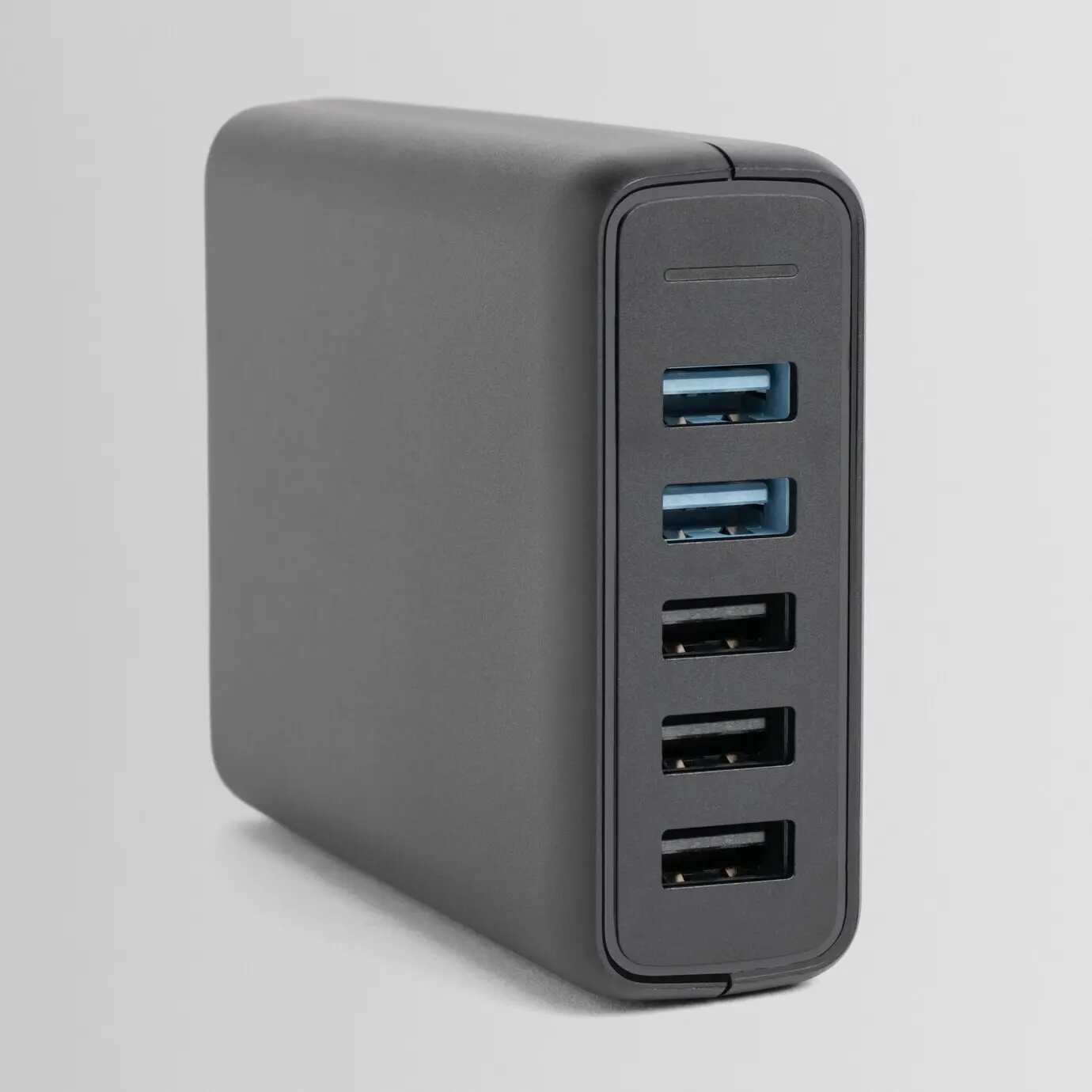
USB‑C Power Delivery unifies laptop and hotspot charging, but adapters vary by country. Pack a slim multi‑port charger, short braided cables, and a travel plug kit. Label everything, and avoid overbooking outlets by prioritizing the power‑hungry devices before boarding long overnight journeys.
Keeping Devices Cool, Clean, and Working
Hotspots left in sunlit pockets overheat and throttle. Store them in shade, wipe ports free of sand, and avoid stacked packing that blocks ventilation. Small habits prevent slowdowns and preserve batteries, especially during beach days, desert buses, or packed festival afternoons.
Picking Plans: Choosing Carriers and Bundles Abroad
Pricing shifts by country, and so do speed guarantees, tethering rules, and support channels. We examine local prepaid cards, regional passes, and global eSIM bundles, helping you match itinerary length, expected usage, and risk tolerance to dependable coverage without overspending or under‑provisioning.
Local vs Global eSIMs: When Each Option Wins
Flying into one nation for weeks favors a local plan with generous data and better speeds. Hopping across borders quickly often benefits from global bundles that activate instantly. We outline pitfalls, including limited support hours and identity verification requirements at small kiosks.
Understanding Fair Use, Throttling, and Hotspot Allowances
Carriers may advertise unlimited, yet throttle after modest thresholds or forbid tethering entirely. We translate fine print into practical expectations and recommend buffers for video meetings, cloud sync, and maps, so your trip plan still works when reality diverges from glossy marketing promises.
Budgeting Data: Streaming, Maps, and Work Calls
A single hour of HD video can drain gigabytes, while downloaded map areas and offline email reduce surprises. We share a lightweight toolkit, compression tips, and alert thresholds that keep costs predictable without sacrificing daily navigation, teammate check‑ins, or quick photo backups.



Stories from the Road: Lessons Learned
Real trips expose edges. You will miss transfers, face SIM kiosks that only take cash, and juggle calls while boarding ferries. These accounts share missteps and fixes, helping you anticipate friction and build resilient routines that protect uptime when plans unravel.

Your Pack List: Share What Works
Do you rely on a featherweight router, dual‑SIM phones, or rugged battery packs with pass‑through? Post your list and why it earned space. Your experience helps others refine kits for rainy hikes, crowded subways, business lounges, and quiet cafés near old city walls.
Crowdsourced Coverage Maps and Speed Benchmarks
Upload results with cell IDs, note time of day, and add carrier names. Patterns reveal where meetings run smoothly and where backups are mandatory. With community data, travelers pick smarter plans, choose reliable hotels, and avoid dead zones that sabotage important calls.

Subscribe for Alerts on New Plans and Devices
When providers launch promotional bundles or expand roaming partnerships, early notice matters. Subscribe to receive tested picks, firmware advisories, and coverage updates, with concise summaries that respect your time while saving money, protecting privacy, and reducing stress before your next departure.